


Industrial operations generate dust, particulate matter, and hazardous gas emissions that create real risks to workers, equipment, and regulatory standing. Managing those risks requires more than basic filtration. It requires the right combination of industrial air-quality control technologies, tailored to your specific process and compliance requirements.
For more than 30 years, Classifier Milling Systems (CMS) has developed air quality equipment for demanding industrial applications. Our air quality control equipment, dust collectors, filter receivers, and dry sorbent injection systems are built for the operational and regulatory demands of heavy industrial environments.
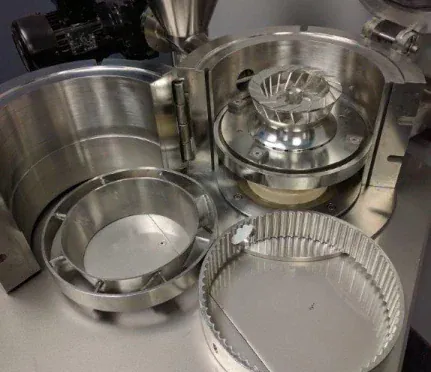
Our Air Quality Control Solutions
Effective air quality management in industrial settings comes down to two core challenges: capturing particulate matter at the source and neutralizing gaseous pollutants before they reach the atmosphere.
We address both. Our air quality control portfolio covers:
-

Dust collectors and filter receivers
For capturing fine and superfine particulate matter in dust-generating operations
-
Dry Sorbent Injection (DSI) systems
For neutralizing acid gases and trace pollutants in flue gas streams


These two categories solve different problems, and many operations need both.
- A powder coating facility, for example, generates combustible dust that requires high-efficiency filtration.
- A cement plant or coal-fired power station deals with acid gas emissions that filtration alone can’t address.
Understanding which problem you’re solving is the starting point for selecting the right equipment.
That’s where our engineering experience makes a practical difference. Over 30 years of working across chemical, food, minerals, and power generation sectors means we’ve encountered most combinations of process conditions, regulatory requirements, and space constraints.
Our team works directly with process engineers, operations managers, and QA teams to specify, configure, and integrate systems that fit your workflow from day one. When performance validation is required before full-scale commitment, we offer laboratory testing services to confirm system behavior under your actual materials and operating conditions.
Dust Collectors & Filter Receivers
Particulate emissions are one of the most common industrial air quality challenges. When dust is not captured at the source, it settles on equipment, contaminates products, and exposes workers to harmful concentrations. It can also increase the risk of noncompliance with environmental regulations.
Our dust collector systems are engineered to close that gap, which achieves up to 99.99% filtration efficiency across a wide range of particle sizes and dust loads.
Key design features include:

-

Venturi-assisted pulse cleaning
Induces secondary air to amplify filter bag cleaning, extending bag life, and cutting maintenance frequency
-
Explosion protection
Systems are designed to meet NFPA and ATEX standards for combustible dust environments.
-
Custom inlet configurations
Standard radial inlets for most applications; tangential inlets available for dense-load separation requiring a cyclonic effect
-
Recyclable fines capture
Designed for operations where captured material has recovery value, not just disposal cost


CMS carries parts for most collection unit types, including filter cages, Venturis, and bags. Our product line also includes gravity separators (drop-out boxes), baghouse collectors, centrifugal collectors, cyclones, pulse-jet collectors, cartridge bags, and air bin vents.
Beyond equipment supply, our field services team supports repairs and servicing of existing dust collection systems. If your current setup is aging or undersized for current production volumes, that’s a practical starting point before committing to a full replacement.
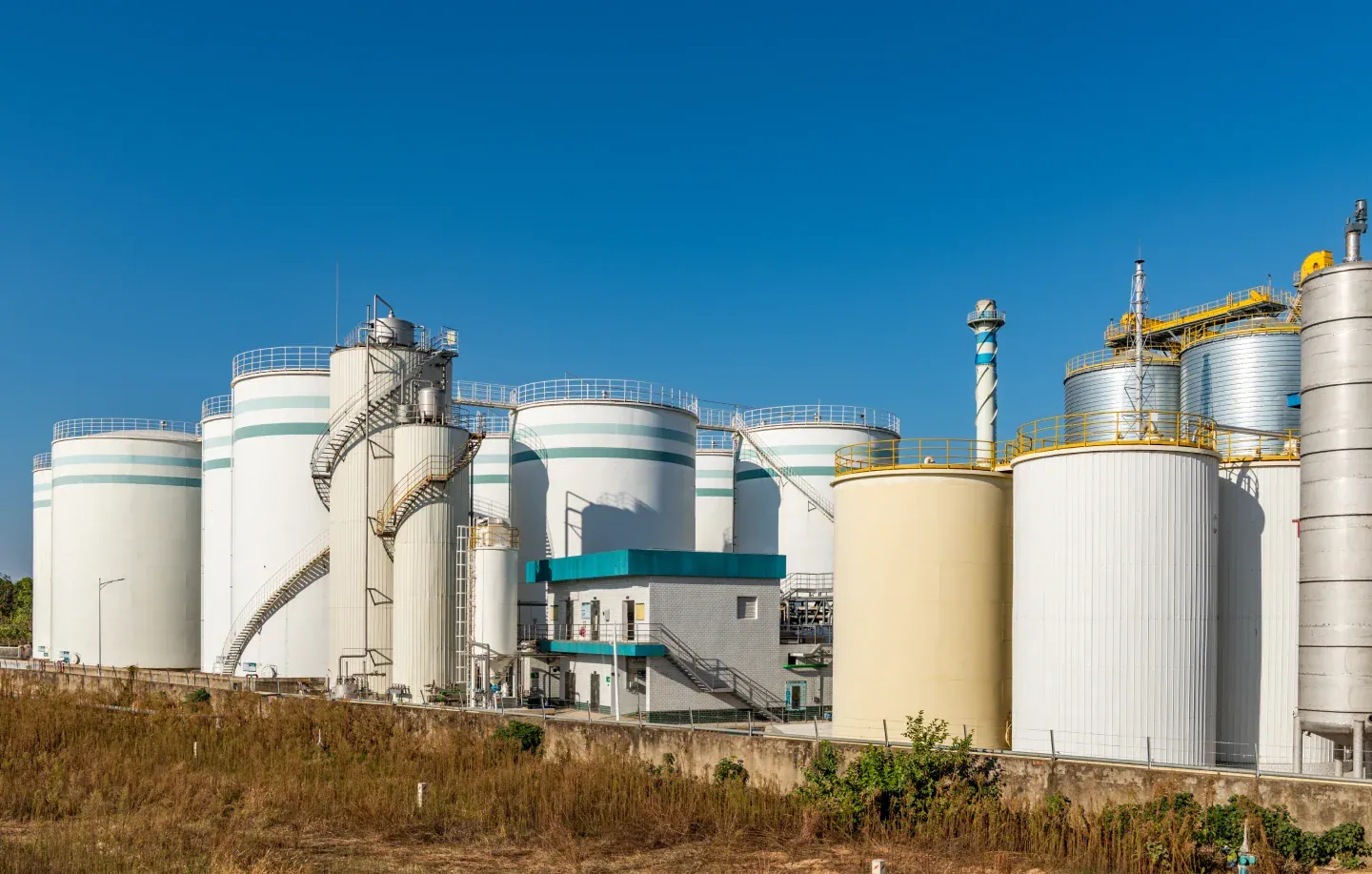
Sorbent Technologies
Dust collection handles particulate. For operations involving gaseous pollutants, such as SO₂, SO₃, HCl, HF, mercury, and fine particulate matter from combustion, you need different technology.
Our dry sorbent injection (DSI) systems focus on this problem. DSI is an established sorbent technology used across power generation and heavy industrial sectors to achieve regulatory-compliant mitigation of acid gases and trace pollutants from flue gas streams.
Sorbent material is milled to a controlled fine particle size, then injected into the flue gas stream within a target temperature window. Reducing particle size increases surface area, and greater surface area increases the contact between sorbent and pollutant, raising capture and neutralization rates. CMS milling systems control the particle size that determines DSI performance.
CMS’s sorbent technologies target:
- Primary pollutants: SO₂, SO₃, HCl
- Marginal pollutants: HF, Hg, PM10, PM2.5, H₂S, H₂SO₄
We engineered and constructed Solvay Chemical’s SOLVAir® sorbent production facility at Owensboro Riverport, Kentucky – one of the largest sorbent production sites in the United States. That facility produces SOLVAir® SBC at 6 MT/hour at <20µm d90. It’s a reference-point project that reflects what our DSI engineering capability looks like at full industrial scale.
For process engineers and QA teams evaluating DSI against alternative flue gas treatment methods, the practical advantages are worth noting: DSI integrates with existing emissions control technologies, carries low comparative capital cost, and reduces the burden on ash handling and waste disposal.

Industries Served
Our air quality control equipment operates across industries where dust generation and emissions control are daily operational requirements.
-

Chemical
Handling reactive, toxic, or fine-particle materials that require rigorous capture and containment
-
Powder Coating
Managing combustible dust and fine particulate throughout milling and application
-
Food
Capturing grain, spice, flour, and sugar dust to protect product purity and worker safety
-
Minerals
Addressing heavy dust loads from size reduction and material handling operations
-
Alternative Energy
Handling sensitive materials ranging from biochar to spherical graphite


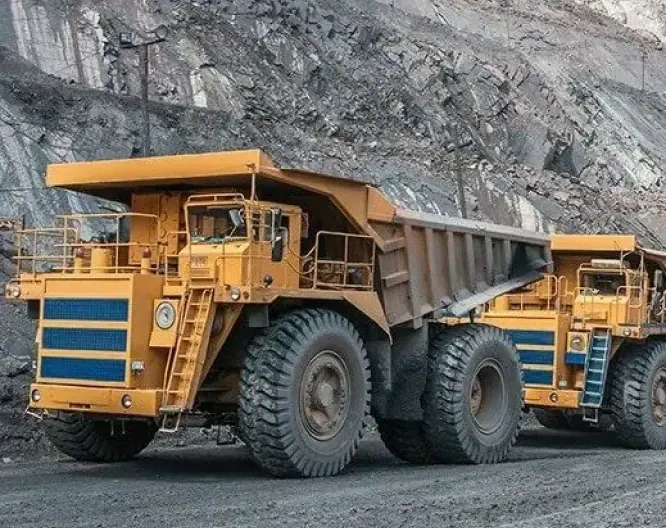

Our customers include Fortune 500 companies and market leaders across these sectors. Many come to us with legacy systems that aren’t keeping pace with tightened regulations or expanded throughput. CMS works with them to specify and integrate equipment that meets current requirements and is designed to accommodate future process demands. Read what they say about working with us on our testimonials page.
Ready to Address Your Air Quality Requirements?
Industrial air quality control is an ongoing process. Regulations change, production demands shift, and older equipment can gradually become less effective. Staying compliant often comes down to having equipment that fits the application and a team that understands the realities of day-to-day plant operations.
CMS works with customers from the early planning stages through installation, replacement parts, and long-term service support. If you’re reviewing an existing system, planning an upgrade, or trying to solve a specific compliance issue, contact our team to discuss your operation and the challenges you’re facing.
Request a quote for your application directly!
